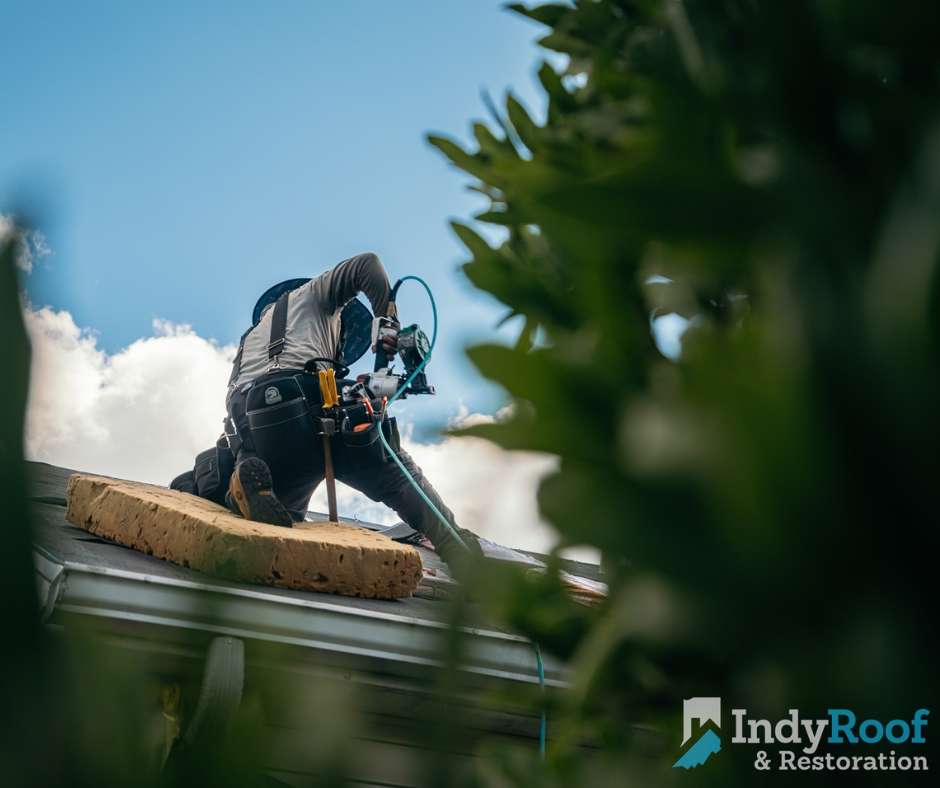
How to Plan Your Roof Replacement Cycle
Planning when to replace a roof is less about a fixed schedule and more about tracking where your roof is in its life and acting at the right time. For a Hartsville homeowner, that means working through a few steps: identify the material and age, estimate where you are in the interval, set an inspection rhythm, watch for signs, budget ahead, and decide on repairs along the way. Done in order, this turns the replacement from a surprise into a planned event. Here is a step by step way to build a replacement plan you can actually act on.
Start by Identifying the Material and Age
Begin with the two facts that frame everything: what the roof is made of and how old it is. The material sets the typical interval, asphalt at roughly twenty to thirty years, metal and tile much longer, and the age tells you how far into that interval you are. Find the install date from closing documents, permit records, or a previous owner, and confirm the material, even the grade, with a roofer if unsure. For a Hartsville homeowner, establishing the material and age first gives the foundation for every planning decision that follows about inspection, budgeting, and timing.
Factor In the Climate and Your Roof's Exposure
Account for how the Hartsville climate and your roof's specific exposure affect the timeline. Hot summers, freeze thaw winters, and storms tend to push roofs toward the shorter end of their interval, and a roof with heavy sun exposure or under trees may wear differently than a sheltered one. This means your roof's real interval may run shorter than the material's average if conditions are harsh. For a homeowner, factoring in the local climate and the roof's exposure refines the replacement estimate, and a local roofer's experience with how materials hold up here adds useful context to the plan.
Plan the Timing of the Replacement
As the roof nears the end of its interval, plan the actual timing thoughtfully rather than waiting for it to force the issue. Replacing on your own schedule lets you choose a good season, compare materials and contractors carefully, and avoid the rushed decisions a sudden leak creates. Build in buffer for scheduling lead time and weather. For a Hartsville homeowner, planning the replacement timing in advance is what turns the end of the cycle into a controlled, well considered project, where you select the material and contractor on your terms instead of scrambling after the roof has already failed.
Make a Plan You Can Act On
Finally, pull the steps into a plan you can actually follow: know the material and age, estimate where you are in the interval, inspect yearly, watch for signs, budget ahead, repair as needed, and replace once when the roof has genuinely worn out. There is no fixed schedule, but this approach makes the replacement cycle predictable and manageable. For a Hartsville homeowner, acting on a clear plan, confirmed by a roofer, means replacing the roof at the right time, neither too early nor too late, and treating it as a budgeted part of owning the home. Hartsville Roofing can help you build and act on that plan.
Decide Whether to Repair or Replace Along the Way
Between full replacements, decide case by case whether issues call for a repair or signal the end of the cycle. A repair makes sense on a roof with years of life left and isolated damage, while a roof near the end of its interval with spreading problems is better replaced. Weigh the roof's age against its interval and the number of issues. For a Hartsville homeowner, a professional inspection gives an honest read on whether a repair will carry the roof further or whether it has reached the point where replacement is the smarter spend, which keeps you from over investing in an old roof.
Budget Ahead of the Replacement
Use your estimate of the next replacement year to budget over time rather than facing the cost all at once. As the roof nears the end of its interval, set aside funds and get an estimate for a realistic figure to plan around. Spreading the expense mentally and financially across the intervening years makes it far more manageable. For a Hartsville homeowner, treating the roof as a planned line in your long term home maintenance budget, with an estimated replacement timeline, removes the financial shock and lets you approach the replacement as a prepared decision rather than an emergency expense.
Set an Inspection Rhythm
Establish a regular inspection habit, about once a year plus a check after major storms. This rhythm catches wear early, lets you address small issues before they grow, and keeps your estimate of the roof's remaining life current. As the roof ages toward the end of its interval, the inspections become more important, since they reveal when replacement is approaching. You can do a ground level and attic check yourself and bring in a roofer periodically or when something looks off. For a Hartsville homeowner, this inspection rhythm is the engine of the whole plan, providing the information to act at the right time.
Estimate Where You Are in the Interval
With the material and age in hand, estimate where the roof sits in its replacement interval. A roof early in its range needs mainly maintenance and routine inspection, while a roof approaching the end calls for active planning and budgeting. This estimate is a range, not a precise date, since conditions move the actual timing. For a Hartsville homeowner, placing the roof on its timeline, early, middle, or late in its interval, is what tells you which mode you are in: routine upkeep, watchful planning, or imminent replacement, and it sets the priority for the steps that follow.
Consider How Long You Will Own the Home
Weigh your plans for the home into the replacement timing. If you intend to stay for many years, planning and budgeting for the replacement protects the home and gives you a full lifespan roof to live under. If you expect to sell before the roof reaches the end, the replacement may fall to the next owner, though the roof's condition will still affect the sale. For a Hartsville homeowner, how long you will own the home shapes whether and when you invest in the replacement yourself, and it is a sensible factor to weigh alongside the roof's physical timeline.
Watch for Signs That Move the Timeline
Beyond the calendar, watch for the signs that indicate the roof is nearing the end regardless of its age. Widespread curling, granule loss filling the gutters, repeated leaks, a sagging roofline, and daylight in the attic all signal a roof approaching replacement, sometimes sooner than its interval would suggest. These signs can move your timeline forward, while a roof in good shape may push it back. For a Hartsville homeowner, combining the age based estimate with the actual condition signs gives a more accurate read on when to replace than either one alone, and it keeps the plan grounded in reality.
Get a Professional Inspection
Ground the whole plan in a professional inspection as the roof approaches the end of its interval. A roofer assesses the shingles, flashing, and decking condition, including what is not visible from the ground, and against the material's interval gives a realistic estimate of the years remaining. This confirms or corrects your own estimate and tells you whether to keep maintaining or plan the replacement soon. For a Hartsville homeowner, the inspection is the step that turns a planning estimate into a confident decision. Hartsville Roofing provides that assessment so the timing rests on the roof's real condition.